Surgical Technology (AAS)
The hybrid surgical technology program at the University of Saint Francis combines asynchronous online learning with on-the-ground labs and clinical rotations.
Learn more about streamlined pricing for this program here.
- Available as
- Major
- Degrees/Options
- Associate of Applied Science
- Length
- 17 months
- Locations
- Crown Point, Fort Wayne, Indianapolis, Hybrid
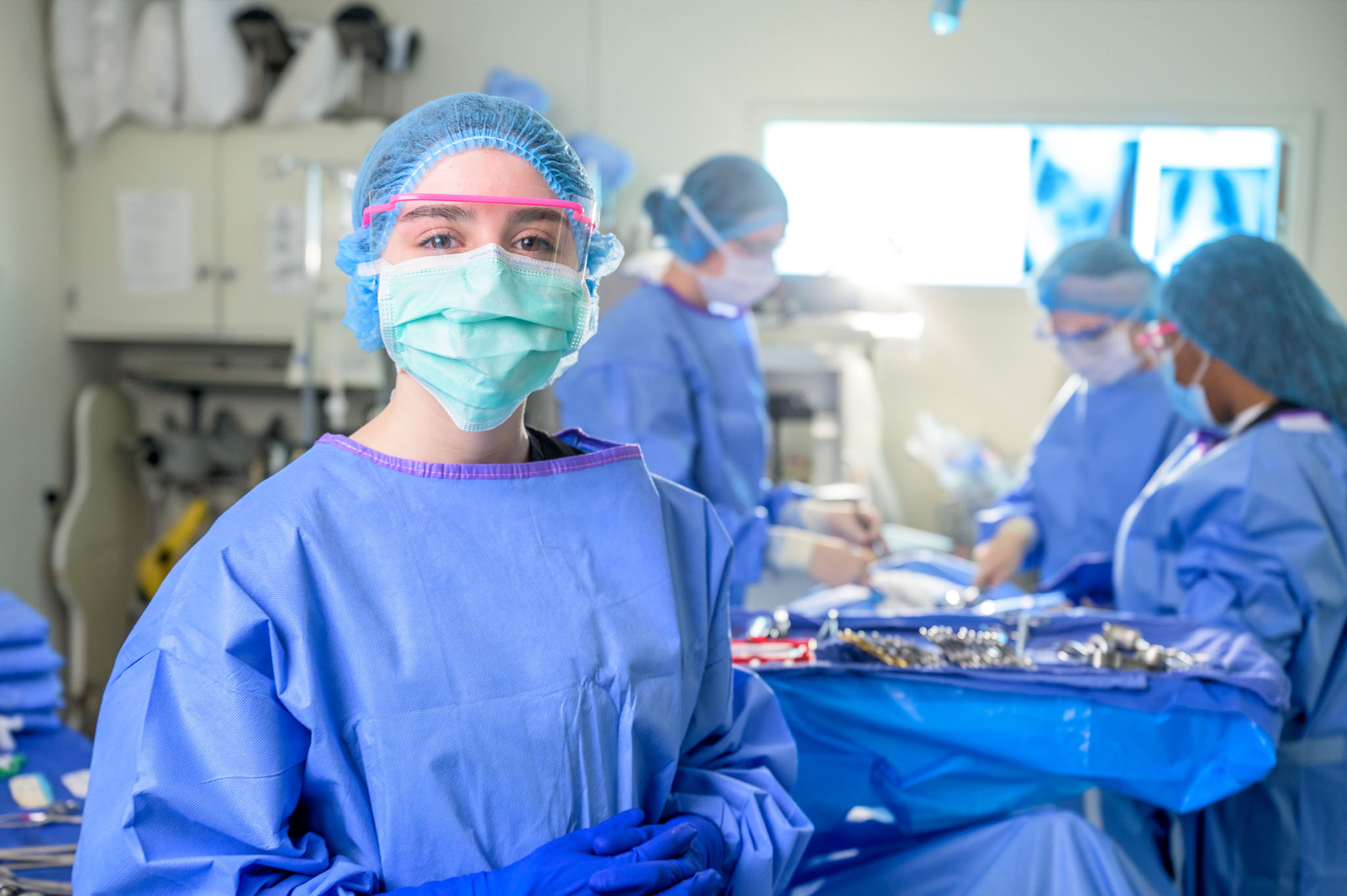
Why Become a Certified Surgical Technologist?
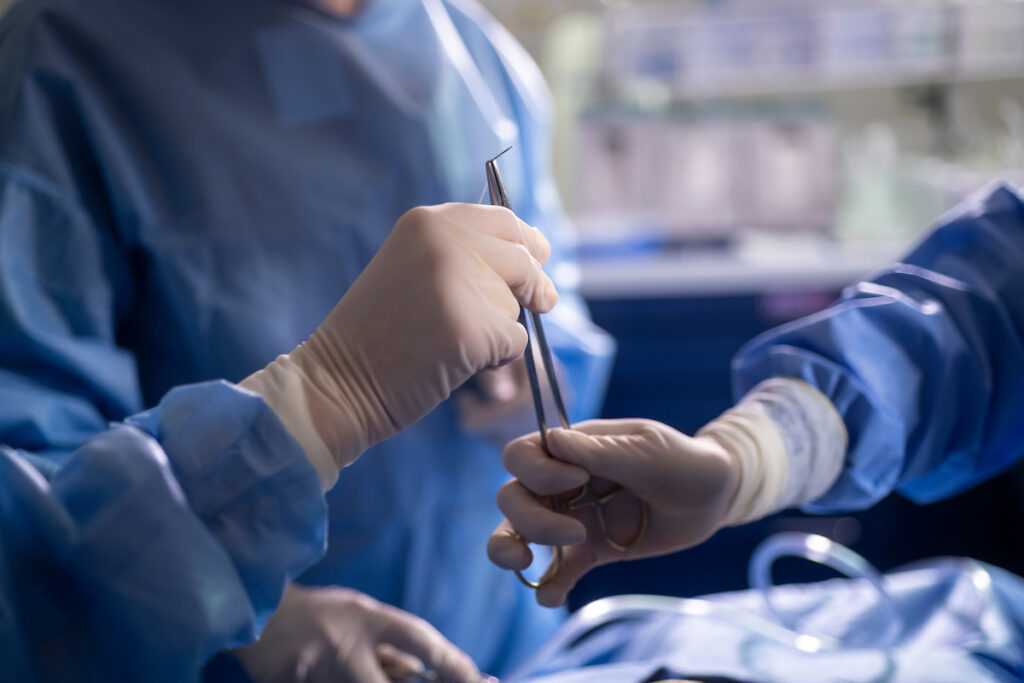
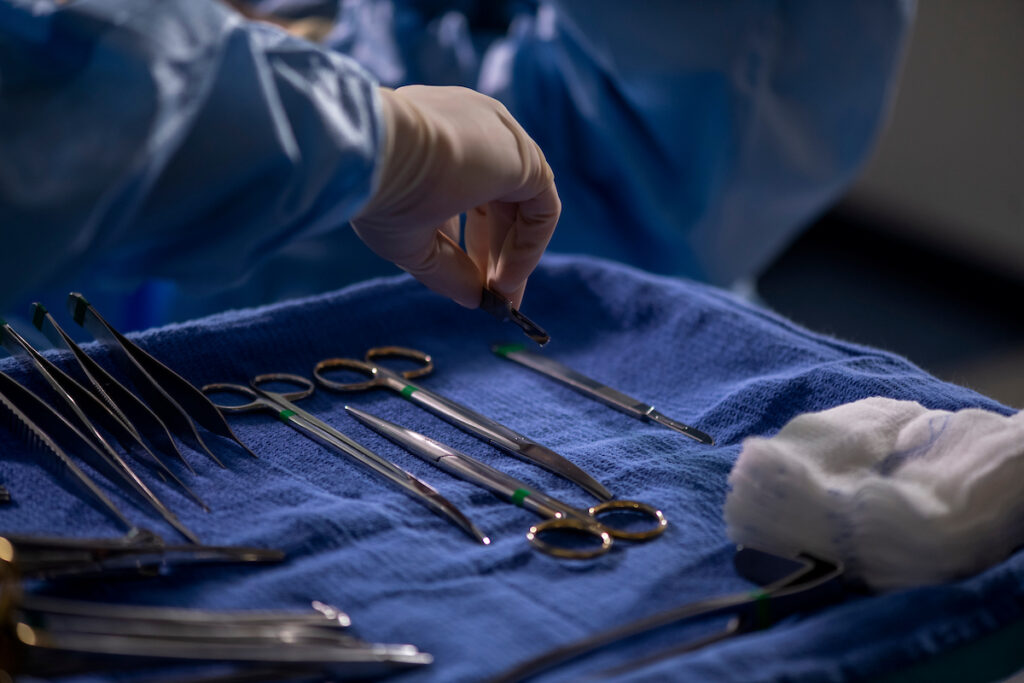
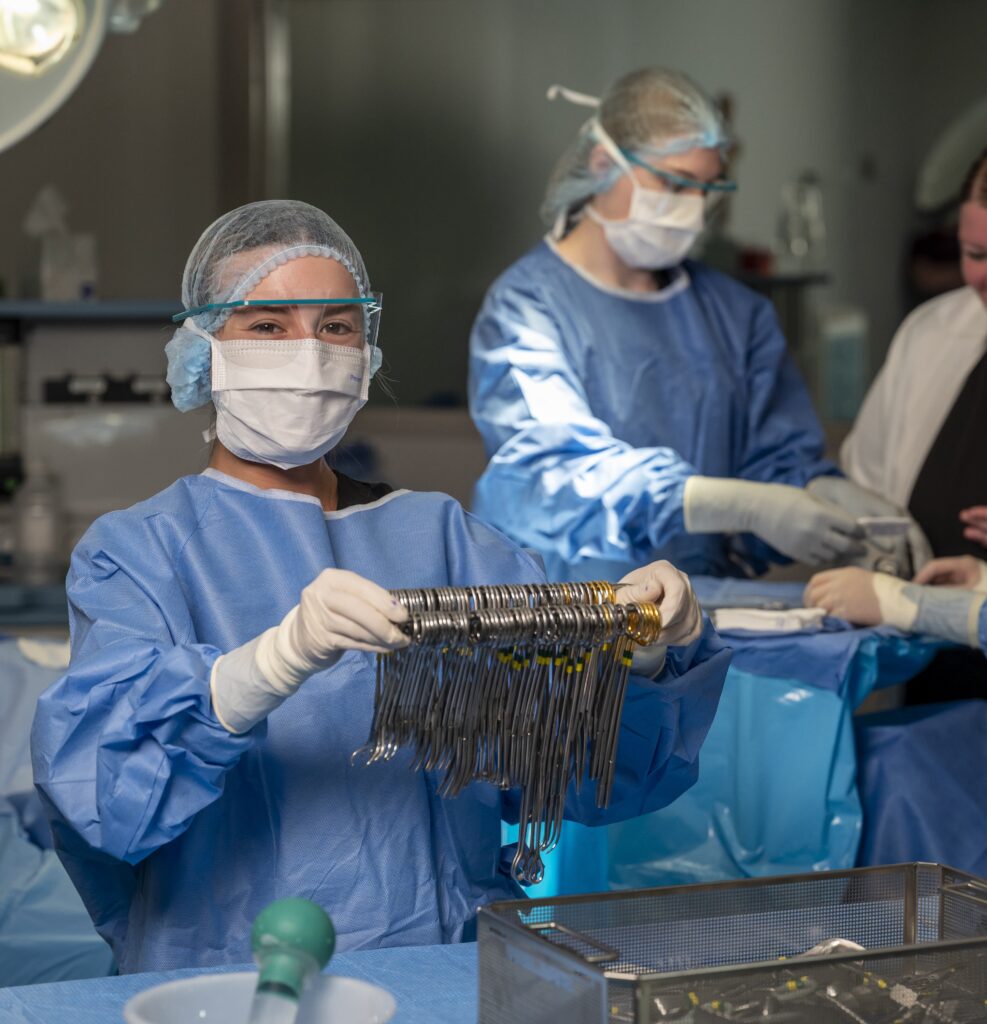
The OR can’t operate without you: Surgical technologists prep patients, surgeons, rooms, and equipment for procedures, assist during a range of operations, and help ensure facilities, instrumentation, and equipment are safe and sterile for all.
The U.S. Department of Labor reports that advanced technology, safer procedures, and shorter recovery times have increased interest in surgeries that improve the quality of life, such as knee replacements or cataract removal. This growing demand means job prospects are good for surgical techs.
Many healthcare employers prefer or require national certification. To become a certified surgical technologist, you’ll need to complete an accredited degree program, and you’ll find one at the University of Saint Francis.
100%
Career success rate for our Class of 2026 surgical technology graduates
$64,700
Median national annual salary for surgical technologists in 2025
BLS.gov
5%
Expected growth in demand for surgical technologists through 2034 (faster than average)
BLS.gov
Why Saint Francis for Surgical Technology?
Inspired by the Franciscan tradition and renowned for its values-based healthcare education, Saint Francis prepares you to serve others with respect, care, and compassion. Our expert faculty members bring real-world medical experience to the classroom; they’ll give you a solid foundation in science and equip you with the technical and decision-making skills you’ll need to succeed in the OR.
In about two years’ time, you can begin your surgical technology career and serve as a critical member of a healthcare team.
Hands-On Learning from Day One
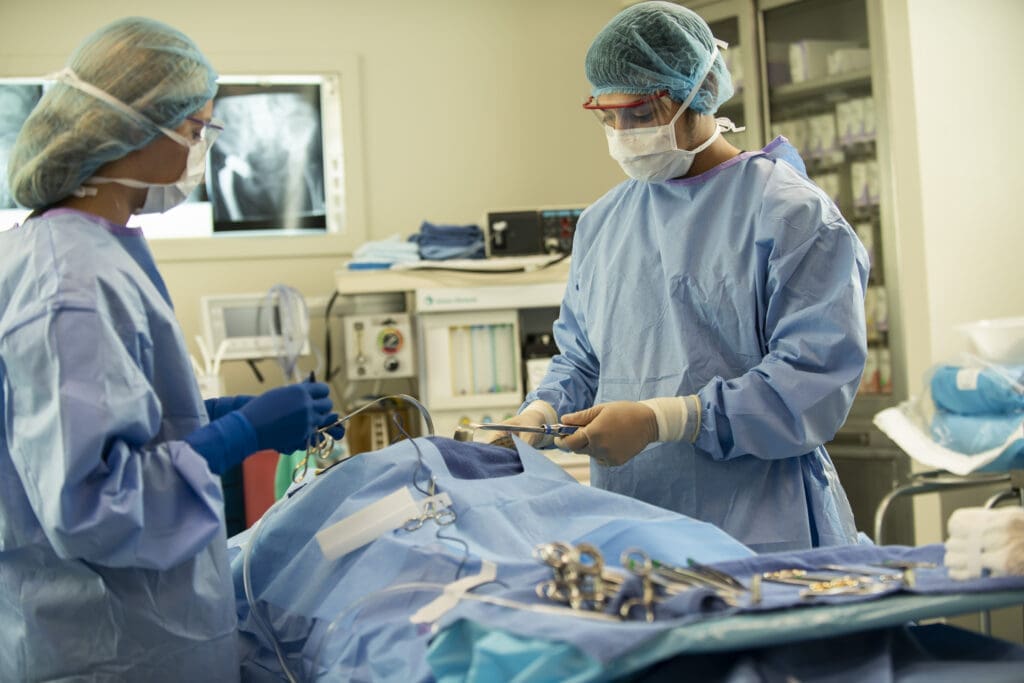
You don’t have to wait until your final months in the program to put learning into practice; at Saint Francis, you’ll go into the field during all four semesters and leave with more than 120 procedures completed in a variety of specialties with 750 hours of clinical experience.
Prepare for your surgical technologist career at sites such as:
- Dupont Hospital
- Franciscan Health Crown Point
- Franciscan Health Dyer
- Franciscan Health Indianapolis
- Franciscan Health Indianapolis Surgery Center
- Franciscan Health Lafayette
- Franciscan Health Munster
- Franciscan Health Rensselaer
- IU Health Arnett
- IU Health Fort Wayne Surgery Center
- Lakeshore Surgery Center
- Lutheran Hospital
- Methodist Hospital Southlake
- Northwest Health LaPorte
- Northwest Health Porter
- Northwest Health Starke
- The Orthopedic Hospital
- Parkview Ortho Hospital
- Parkview Regional Medical Center
- Southwest Surgical Suites
- The Surgery Center and ENT Associates
Dual-Enrollment Associate & Bachelor’s Degree Option:
As a surgical tech student, you can expand your career opportunities by earning a bachelor’s degree in Health Services in only one additional year. Choose a concentration in medical sales, health services management, or community health.
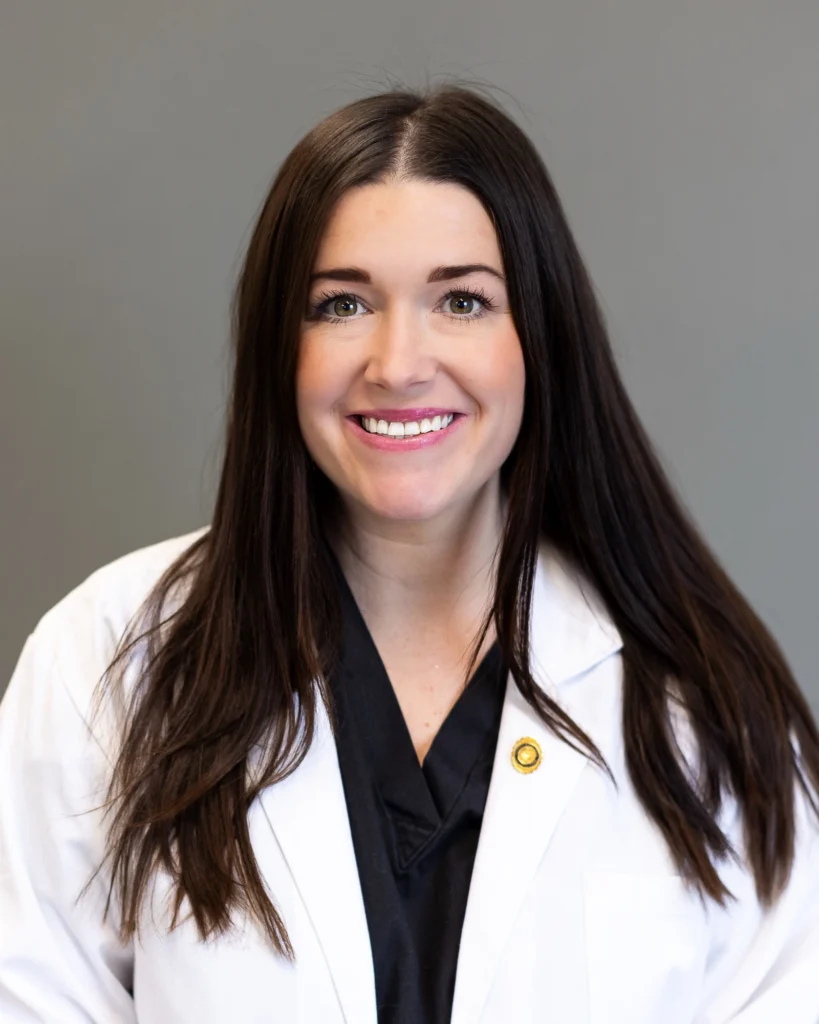
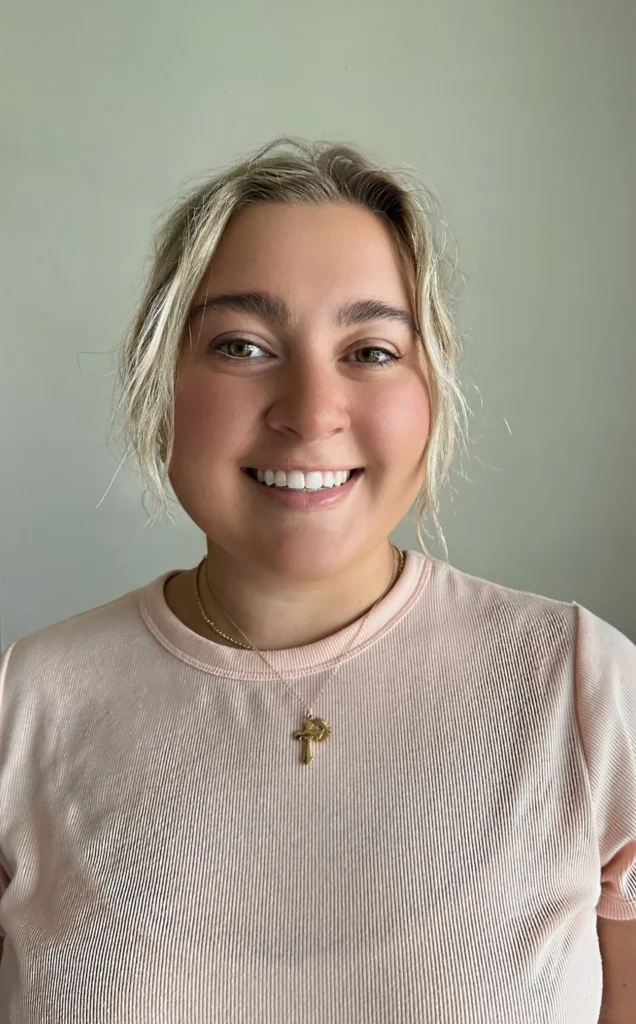
“The faculty are so personable. There’s a lot of one-on-one teaching and they take the time to make sure we really understand the information. They’re invested in us. At Saint Francis, I feel like I’m someone who matters.”
Sarah Corsaletti ’25, Alumna Surgical Technology
“The faculty are amazing. They all have real backgrounds in the field and the director is a site visitor for the accreditation review committee for Surgical Technology programs. When they teach, they share information and stories from their own careers and that makes it easier to learn.”
Mario Flores ’22 Surgical Technologist, Lutheran Health
“I recommend this program because, from day one, it’s hands on. The support is incredible and the professors truly care about you as a person. It’s genuine.”
Emma Eversole ‘25, Alumna Surgical Technology
“The Orthopedic Hospital regularly hires Saint Francis graduates because they’re knowledgeable, hardworking and well-rounded. We meet them when they come in to do their orthopedic clinicals and will often hire them as surgical technologists.”
Phyllis Kenline RN-OR manager, The Orthopedic Hospital
“I feel the surgical technology program is superior to other programs because of the state-of-the-art, hands-on lab. It gives me exposure to instruments, supplies and equipment that we utilize in the clinical setting.”
Caitlyn Carnahan ’17 Surgical Technologist, Parkview Regional Medical Center
“The program’s structure is really smart, too. We get a strong foundation in the first 8 weeks and then get into the field. Saint Francis students get 2 full years of clinicals, where we rotate to different facilities and learn about specialties in the field. That’s how I found my passion for working in orthopedics.”
Daleigh Davis ’21 Surgical Technologist, Surgery Center Fort Wayne
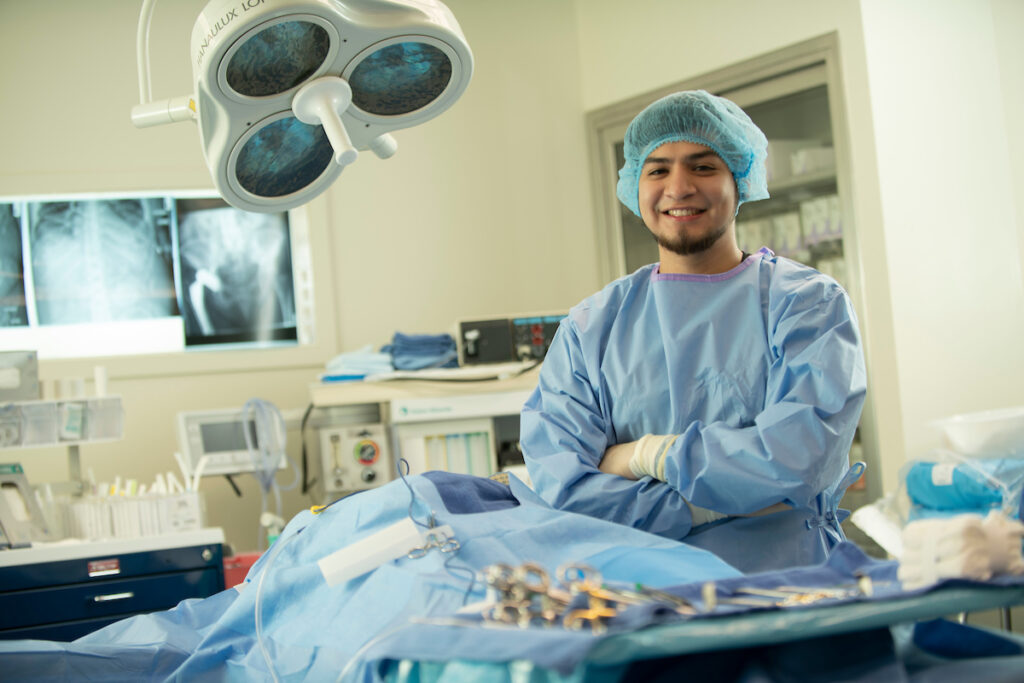
What You Can Do With a Degree in Surgical Technology
A certified surgical technologist can find work in a variety of healthcare organizations, from outpatient centers to hospitals. Our graduates start their surgical technologist career at healthcare organizations like:
- Adams Health Network
- Detroit Medical Center
- Ear, Nose & Throat Associates
- ENT Surgery Center
- Fort Wayne Ortho
- Lutheran Health Network
- OhioHealth
- OrthoIndy
- Parkview Health
- ProMedica
- St. Vincent Hospital
- Terre Haute Regional Hospital
- UnityPoint Health
Your associate degree will give you a broad education, and as you gain experience and additional training, you may develop specialties in certain practice areas, such as cardiology, orthopedics, or ear, nose, and throat.
Accreditation
The Saint Francis’ associate of science in surgical technology program is accredited by the Commission on Accreditation of Allied Health Education Programs (www.CAAHEP.org) upon the recommendation of Accreditation Review Counsel on Education in Surgical Technology and Surgical Assisting (www.ARCSTSA.org).
Commission on Accreditation of Allied Health Education Programs (CAAHEP)
9355 113th St. N #7709
Seminole, Florida 33775
Phone: 727-210-2350
Email: mail@caahep.org
Outcomes Assessment Exam
Certification is required to enter practice in the State of Indiana. Below are the pass rates for University of Saint Francis graduates on the National Examination for the Certified Surgical Technologist offered by the National Board of Surgical Technology and Surgical Assisting.
- Class of 2026 – 70% pass rate
- Class of 2025 – 78% pass rate
- Class of 2024 – 90% pass rate
- Class of 2023 – 88% pass rate
- Class of 2022 – 100% pass rate
Graduate Placement
Surgical Technologists are in great demand in northeastern Indiana and University of Saint Francis graduates are actively recruited by local employers. The statistics below indicate the percentage of graduates who accepted positions as Certified Surgical Technologists or in a related field within one year of graduation.
- Class of 2026 – 100% employed or continued education
- Class of 2025 – 100% employed
- Class of 2024 – 100% employed
- Class of 2023 – 100% employed
- Class of 2022 – 100% employed
The Surgical Technology program is designed to:
- Prepare entry-level Surgical Technologists who are competent in the cognitive (knowledge), psychomotor (skills), and affective (behavior) learning domains to enter the profession.
- Provide employers with skilled surgical technologists who effectively apply theory to practice.
- Promote development of clinical competencies adhering to best practices.
- Enhance the surgical technology student personally and professionally through general education.
- Provide a learning environment that recognizes individual differences and promotes Franciscan values.
- Assist students in developing effective learning patterns on which to build further professional growth.
Reflecting Franciscan values, the Surgical Technology graduate will:
- Respect and protect each patient’s right to privacy, dignity, safety and comfort.
- Demonstrate strong surgical conscience and ethical decision making during perioperative patient care and professional relations.
- Skillfully apply scientific and surgical theory to aseptic technique, instrument handling skills, use of technology, tissue manipulation and patient care.
- Use critical thinking skills to anticipate the needs of the surgeon and other members of the surgical team.
- Integrate concepts of the social and behavioral sciences, and humanities with surgical technology knowledge and practice.
- Assume responsibility for self-direction by participating in activities that contribute to personal and professional growth.
All student activities associated with the curriculum, especially while students are completing clinical rotations will be educational in nature. Students will not be substituted for hired staff personnel during the scheduled clinical course component of the program.
The University of Saint Francis is committed to providing equal access to all students, including those students with disabilities. Once students are admitted to a health sciences program, they should contact Student Disability Services if they believe that they may require reasonable accommodation to fulfill the Health Sciences Technical Standards.
The University of Saint Francis has identified technical standards that must be met by students in order to successfully progress in and graduate from its health science programs. These standards establish performance standards that will enable students to become competent practitioners who are able to provide safe care for their patients (persons, families and/or communities) with critical judgement, broadly based knowledge and well-honed technical skills.
Technical standards (see below) outline skills, abilities and behavioral characteristics required to successfully complete health science programs at the university. Key areas include (1) acquiring fundamental knowledge, (2) developing communication skills, (3) interpreting data, (4) integrating knowledge to establish clinical judgement and (5) incorporating professional attitudes and behaviors into practice.
The university provides reasonable accommodations to all students on a nondiscriminatory basis and consistent with legal requirements as outlined in the Rehabilitation Act of 1973, the Americans with Disabilities Act (ADA) of 1990 and the ADA Amendments Act of 2008. A reasonable accommodation is a modification or adjustment to an instructional activity, equipment, facility, program or service that enables a qualified student with a disability to have an equal opportunity to fulfill the requirements necessary for graduation from the program. To be eligible for accommodations, a student must have a documented disability of a physical or mental impairment that limits one or more major life activities of such individual, a record of such impairment, or be regarded as having such a condition.
Acquiring fundamental knowledge. Students must be able to learn in classroom and other educational settings via lectures, demonstrations, review of research and patient care situations. Students must have the ability to find sources of knowledge, acquire the knowledge, be a lifelong learner and demonstrate adaptive thinking.
Developing communication skills. Students must have the ability to effectively communicate verbally, nonverbally, in writing, with groups and using information technology. Students must be able to interact appropriately with patients (persons, families and/or communities), peers and with all members of the healthcare team. Students must be able to interpret and convey information gathered from communications. They must be able to speak, read and write in English.
Interpreting data. Students must have the ability to measure, calculate, reason, analyze and synthesize data in a timely manner. They must successfully fulfill examination requirements of the program, including written and practical examinations. Students must have the ability to observe patient conditions and responses to health and illness, assess and monitor health needs, translate data into abstract concepts and understand evidence-based reasoning.
Integrating knowledge to establish clinical judgement. Students must demonstrate the critical thinking, problem-solving and decision-making ability needed to care for individuals, families and/or communities across the health continuum. They must demonstrate clinical competency and the ability to participate in clinical experiences. Students must possess the sensory capacity and motor function to gather patient data, perform patient assessment and implement therapeutic interventions.
Incorporating professional attitudes and behaviors into practice. Students must demonstrate cross-cultural competency, integrity, moral reasoning, ethical behaviors and concern for others. They must have the ability to acquire interpersonal skills for professional interactions with diverse individuals, families and/or communities. They must be able to work cooperatively with intra- and inter-professional teams, adapt to changing environments inherent in clinical practice and function effectively under stress.
Due to the nature of health sciences programs, all students seeking admission to the Nursing, Physical Therapist Assistant, Physician Assistant Studies, Radiologic Technology, Surgical Technology, Social Work and Health and Exercise Science programs are required to acknowledge that they have read, understand and can fulfill the following Health Sciences Clinical, Field and Internship Requirements*:
- Background and driving check
- Office of Inspector General check
- Drug screen
- CPR certification
- Proof of health insurance
- Current immunications/titers
- TB test
- Health physical form
- Signed Technical Standards
- Signed Confidentiality form
- Consent to Release and Informed Consent forms
- Professional license/certification (if applicable)
*Requirements are subject to change without notice due to policy changes occurring within our clinical, field and internship agencies.
Surgical Technology involves inherent occupational risks associated with working in surgical and healthcare environments. Students and entry-level Surgical Technologists may be exposed to blood and bodily fluids, infectious diseases, sharps, surgical smoke, hazardous chemicals, radiation, lasers, medications, allergens and physical or ergonomic hazards.
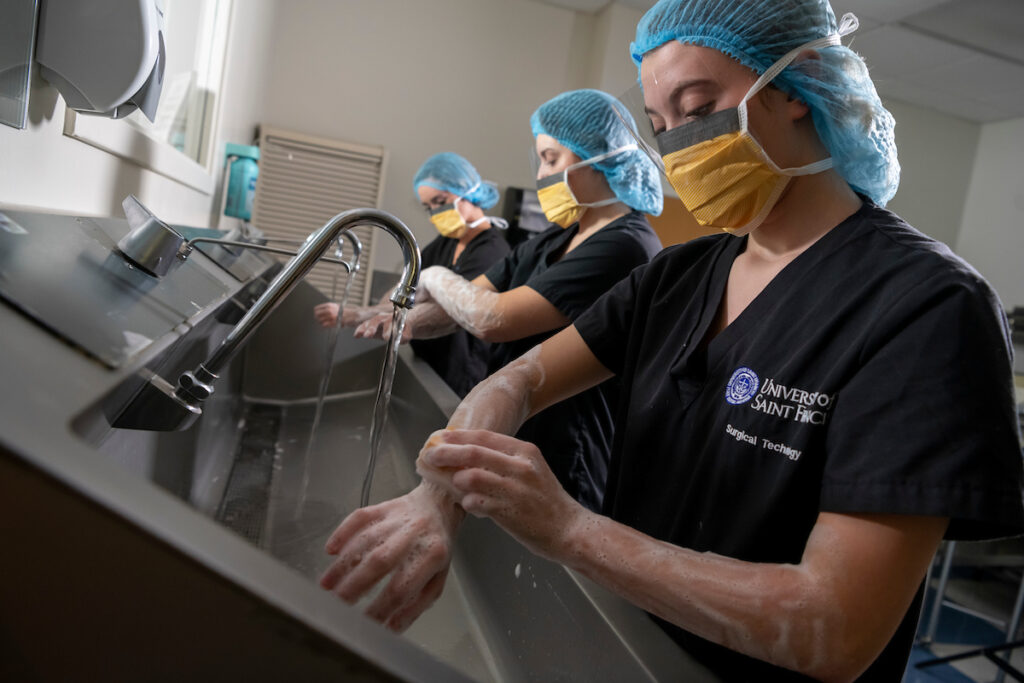
Students receive education regarding Standard Precautions, infection prevention, personal protective equipment (PPE), sharps safety and other measures designed to minimize occupational exposure. While established safety practices reduce risk, occupational exposure cannot be completely eliminated. Students are expected to follow all University, program, clinical facility and applicable workplace safety policies and immediately report any exposure or injury.
The University of Saint Francis Surgical Technology program provides equitable clinical experiences designed to meet CAAHEP/ARC/STSA requirements and the current Core Curriculum for Surgical Technology. Clinical assignments are based on student learning needs, required surgical cases, clinical site availability and opportunities to develop entry-level competencies.
Students may rotate through large hospitals, rural/community hospitals, surgery centers and specialty surgery centers to provide a variety of clinical experiences. A student’s home address may be considered; however, all students should be prepared to travel up to approximately one hour from their assigned campus when necessary to obtain required clinical experiences and surgical cases.
Clinical assignments may be adjusted to ensure equitable opportunities for students to meet required competencies and case requirements. Students are responsible for transportation to and from assigned clinical sites.
The University of Saint Francis Surgical Technology Program provides students with the technology resources and support necessary to successfully participate in the program and achieve program outcomes. Students are expected to have reliable access to a computer and internet connection capable of supporting University-required technology and online learning resources. Canvas is utilized for course materials, assignments, assessments, grades, announcements and communication. Technical assistance for University accounts, passwords, Canvas and other supported technology is available through the Saint Francis IT Help Desk at 260-399-8195 ext. 6027 or support@sf.edu. This support is available to students enrolled at all program locations.