A Call to Dance
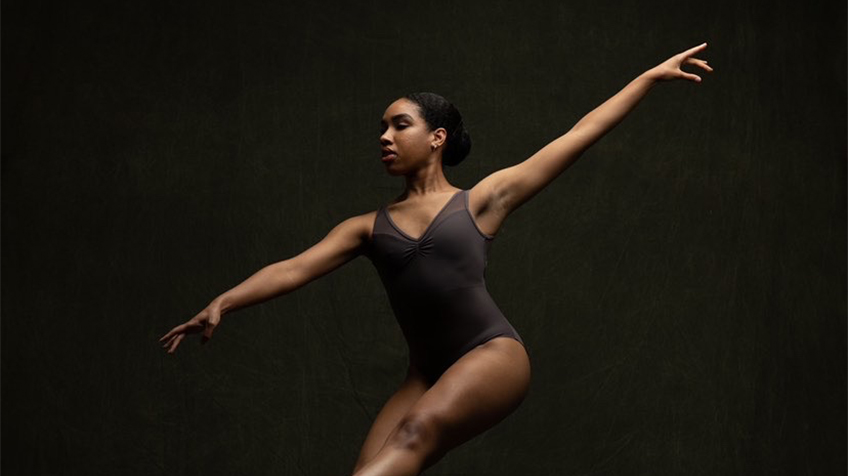
The pay can be low and the hours long, but Martine Bartley (BA ’20) finds fulfillment in her professional dance career. She draws inspiration from her fellow dancers and their tight-knit community.
By Reggie Hayes
Photography provided by Martine Bartley


Where did you grow up and what brought you to the University of Saint Francis?
I grew up in Atlanta, Georgia. There aren’t many ballet-focused university programs in Georgia, so I knew I had to find a university out of state. I learned about Saint Francis from seeing a poster at my dance studio advertising Fort Wayne Ballet’s summer intensive, which mentioned having a university program.
When did your interest in pursuing a dance career begin?
I started taking dance classes at 7. I can’t think of a specific moment but out of all the extracurricular activities I did growing up (sports and other creative arts), I always prioritized dance and never wanted to do anything else if it conflicted with my dance schedule.
What are some important lessons and experiences you obtained at Saint Francis?
I’ve always been an independent person, and I had to get more comfortable with not being afraid to ask for help—whether asking a professor for an extension or asking someone for a ride because I didn’t have a car my first year on campus.
“I was grateful for the Saint Francis community because all they want to do is see you succeed.”
Martine Bartley (BA ’20)
What are the most challenging aspects of pursuing a dance career?
The finances. Like most organizations, funding is low. It is rare to have a job in dance that covers all your normal expenses. You need to juggle multiple jobs to make ends meet.
How did you grow as a dancer during your time with the Tallahassee Ballet?
My first year I was given the opportunity to perform the lead role of Clara in their Nutcracker. It was my first big role as a professional dancer. Initially, I was shocked that I was given the role since I was still new to the company. It involved a lot of acting on top of dancing, which helped push me to grow my artistry.
Can you describe how you ended up with De La Dance Company?
I left the Tallahassee Ballet after 2.5 years in hopes of finding a company that had more performance opportunities. I learned about De La from a former dance teacher.
What are your day-to-day and weekly schedules like as a dancer?
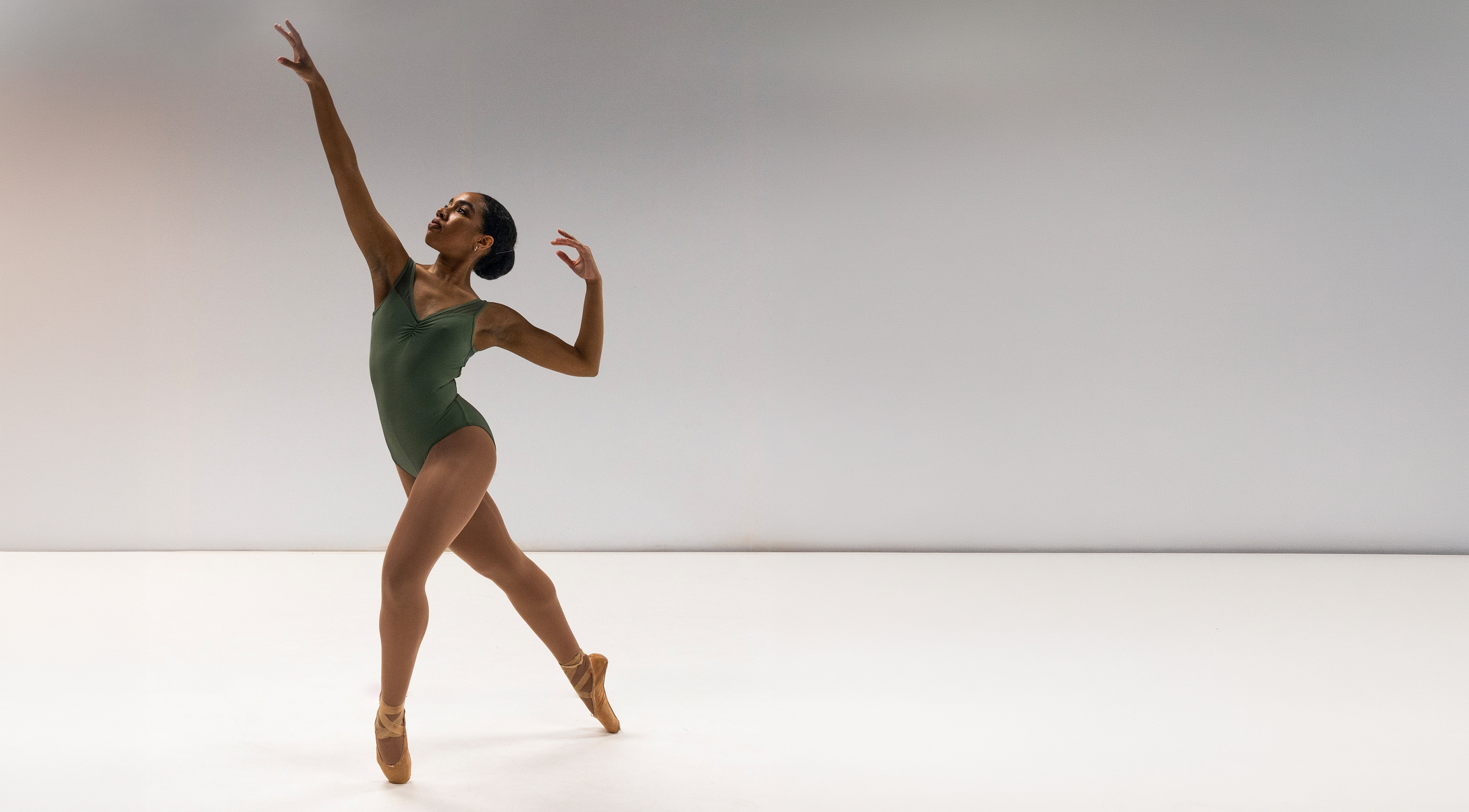
My company runs on a five-day rehearsal schedule, Tuesday through Saturday. The days vary, but they run between four and six hours. Outside of dance, I have a part-time job at a local coffee shop.
What have been the most meaningful moments in your dance career?
The most meaningful moments are learning from the people I dance with every day. Dancing for a small company, you become a very tight-knit group. Everyone is so encouraging, and I am always inspired by the people I dance with.
What are some of the future goals you have as a dancer? What are you most looking forward to?
A dancer’s performing career tends to be shorter than most careers. With how physical it is, most dancers don’t perform past their late 30s. I want to perform for as long as my body can handle it. Once I am done with my performing career, I want to stay in the arts in some capacity. I see myself being a rehearsal director or a repetiteur (tutor or coach of ballet dancers).
What are some other interests or passions?
I’ve always had a deep love of music. I’ve been finding joy in going to a lot of concerts and sharing my experiences on social media through @musicallymartine. I’ve reflected on how past experiences have led me to create this outlet for myself and find success in it. While at Saint Francis, I took Music Appreciation, which taught me new ways of listening to music and finding the vocabulary to describe what I hear. I also did work-study while at Saint Francis, where I helped run the School of Creative Arts’ social media.
What advice would you give to young, aspiring dancers?
It’s very important to learn what your strengths are early on and find ways to really let them shine through your dancing to help you stand out. For me, it’s my musicality and memorization. People have learned to come to me when they need help remembering certain steps and details because I always remember them.