Psychology (BA)
At its heart, psychology is about human behavior. Majoring in this field will prepare you for virtually any career.
- Available as
- Major
- Degrees/Options
- Bachelor of Arts
- Length
- 4 years
- Locations
- Fort Wayne

Why Study Psychology?
Psychology is one of the most in-demand fields in the country. The versatility of this major is evident when you discover just how many career paths you can take, from education and healthcare to human resources and marketing.
Substance abuse and mental/behavioral health counselors are ranked among the Department of Labor’s Top 20 Fastest-Growing Occupations for 2020. With society’s increasing focus on work-life balance and self-care, there’s a rising interest in industrial organizational psychology; in fact, U.S. News & World Report named industrial psychologist as the #2 science profession in the nation.
100%
Career success rate for our Class of 2023 psychology graduates
$53,000
Median wage with a B.A. in Psychology
BLS.gov
12,000
Number of new jobs for psychologists projected from 2022 to 2032
BLS.gov
Why Saint Francis for Psychology?
The University of Saint Francis psychology program combines foundational knowledge with personalized, hands-on learning experiences. Our rigorous psychology curriculum stays up to date with emerging specialty areas and subfields, ensuring our students are equipped for today’s marketplace.
Specialty Courses Designed Around High-Growth Areas
With a broad range of courses and electives, you can tailor your psychology studies to fit your career goals. You might consider classes such as:
- Sports Psychology
- Industrial Organizational Psychology
- Forensic Psychology
- Experimental Psychology
- Health Psychology
There’s been rising interest in sports psychology degrees and careers helping others perform at their physical and mental best. Our sports psychology course was designed to give you an introduction to this growing field.
Field Experience: Research, Internships, and Service-Learning
Field experiences are an integral part of your Saint Francis education. As a psychology major, you’ll participate in at least one of the following:
Psychology Internships
Learn from psychology professionals in a range of real-world settings. Our partner sites include:
- Bowen Center
- Caring About People
- Children’s Autism Center
- Easter Seals/ARC of Northeast Indiana
- Salvation Army
- Turnstone
Faculty-Mentored Research
Dig deeper into an area you’re passionate about through an independent research project.
Cross-Cultural Experience + Service-Learning
This Special Studies course culminates in a mission trip to Haiti, where you and your classmates will serve the mental health needs of the local community.
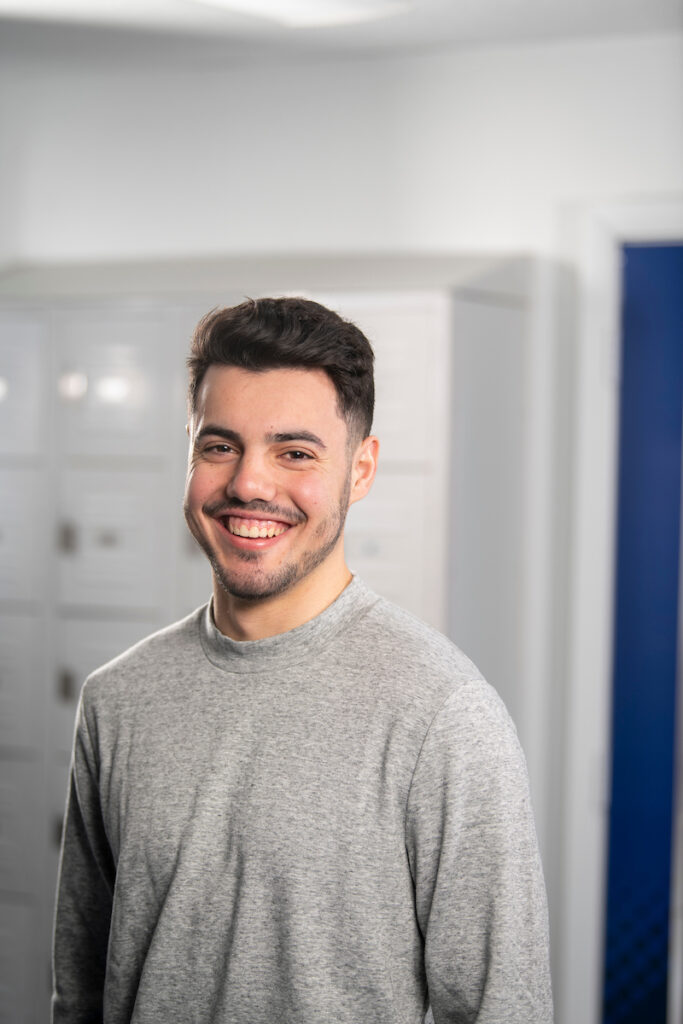
“The culture at USF creates an atmosphere of success. I definitely credit my own success to the people I had around me. My professors, coaches, classmates, and friends all supported me in different ways, enabling me to inevitably succeed.”
Joshua Pedretti ’22 Behavioral Therapist at Kayla’s Children Centre
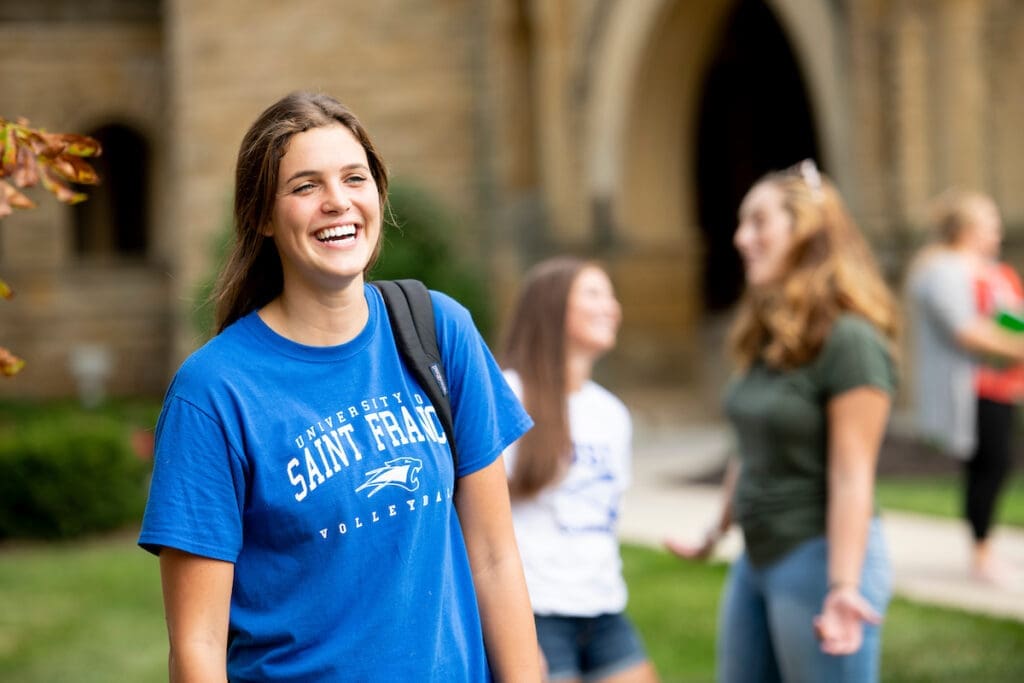
“I transferred to Saint Francis during my freshman year, and I’m so glad I did. My goal was to be a speech-language pathologist, so I wanted a psych program that would prepare me for graduate school. Saint Francis gave me the courses and internships I needed to be a strong candidate.”
Kendra (Siefring) Wenning ’20 Graduate student at University of Akron
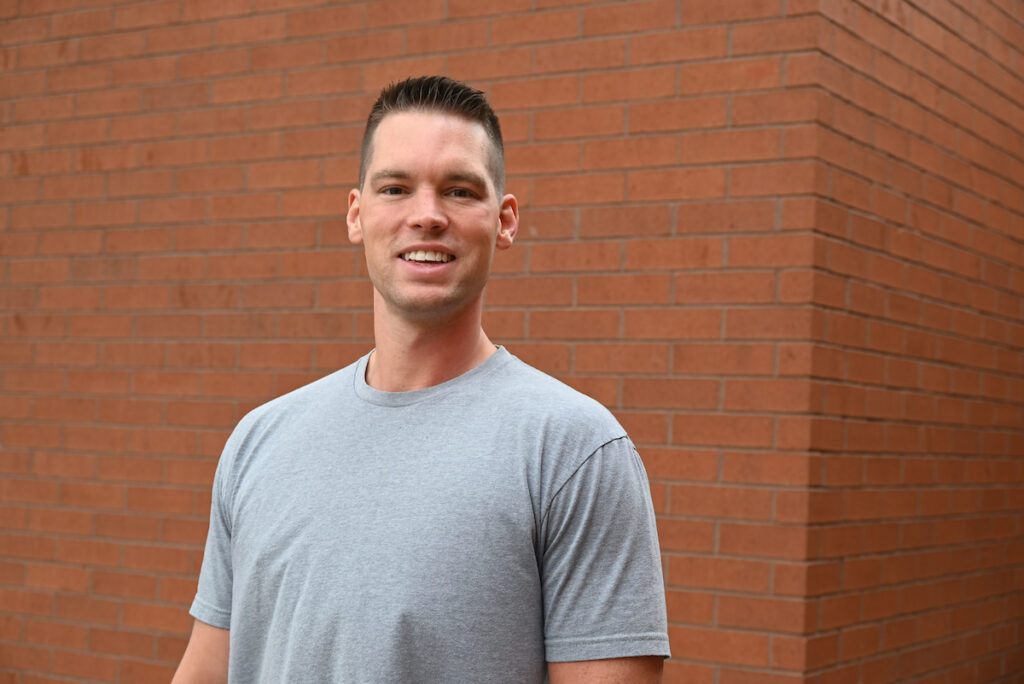
“I really enjoy how invested the professors in the Psychology department are in my education and future. I feel that I can come to them with questions about an assignment or my future goals and be treated with the same respect and support.”
Greg Hope ’25 Psychology major
Our Faculty
You will learn in small classes from knowledgeable, caring faculty members such as:
- Dr. Monica Heller is a research scientist and expert in human growth and development.
- Adam DeVille has taught at Saint Francis since 2007, first in philosophy and theology and now in psychology, where he is an associate professor who also maintains a part-time private practice in psychotherapy.
- Dr. Mario Baldassari is an innovative teacher and memory researcher who applies his work in the classroom and to various intersections of psychology and the law.
These and other faculty and staff members will mentor and guide you throughout your psychology studies at Saint Francis.
Campus and Community Involvement
Saint Francis psychology majors are active on campus, in the local community, and in the psychology field. Opportunities for involvement and professional development include:
- Class trips to Chicago-based community health and social service organizations
- Traveling to the Midwestern Psychological Association Conference
- Joining Get Psyched!, the student-led psychology club
Another campus club that might interest you is Criminologists in Action. And, if you’re drawn to the idea of sports psychology degrees or positions, you’ll love cheering on (or being part of) Cougar Athletics.

Where You’ll Find Our Graduates
Saint Francis psychology majors start and grow their careers with organizations such as:
- Applied Behavioral Center for Autism
- Bowen Center
- Child’s Play Autism Centers
- Cornerstone Autism Center
- Crossroad Child & Family Services
- DeKalb County Central United School District
- Lifeline Youth & Family Services
- Lutheran Health Network
- Meridian Health Services
- Metropolitan School District of Wabash
- Parkview Health
- San Jose Clinic
- Sky Point Social Services
Graduate and Professional School Opportunities
If you’re interested in a career as a counselor, clinician or school psychology, your bachelor’s degree can serve as a foundation for advanced study in the field.
Our students have also been accepted into graduate and Ph.D. programs at institutions such as:
- Ball State University
- Marian University
- Ohio Northern University
- Purdue University of Fort Wayne